Indigenous Women Redefining Science
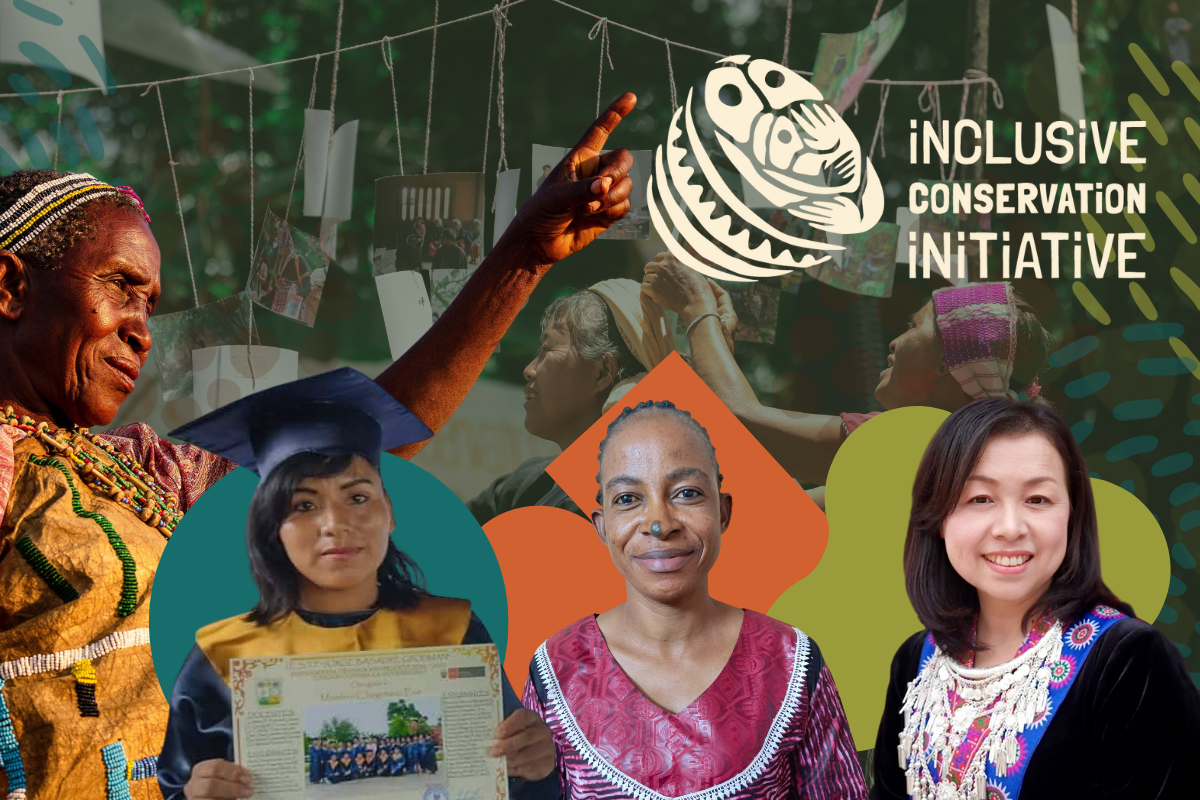
This February 2026, in celebration of the UN International Day of Women and Girls in Science, we’re launching a special three-part podcast series that challenges how we define science, and who shapes it.
Our series, Indigenous Women Redefining Science, amplifies the voices of Indigenous women who are leading research, conservation, and community health through the power of ancestral knowledge. Produced under the Inclusive Conservation Initiative (ICI), the series explores how traditional and Western knowledge systems can work together to protect biodiversity, strengthen livelihoods, and care for future generations.
- Episode 1 — Eva Mambiro, FENAMAD, Peru (Spanish) — Out now!
- Episode 2 — Esther Ngalula, ANAPAC, DRC (French) — Out now!
- Episode 3 — Nittaya Earkanna, IPF, Thailand (English) — Out now!
- Special Part II: Episode 4 — Nittaya Earkanna, IPF, Thailand (English) — Out now!
🎙️Episode One | Eva Mambiro: Ancestral Knowledge Is Science
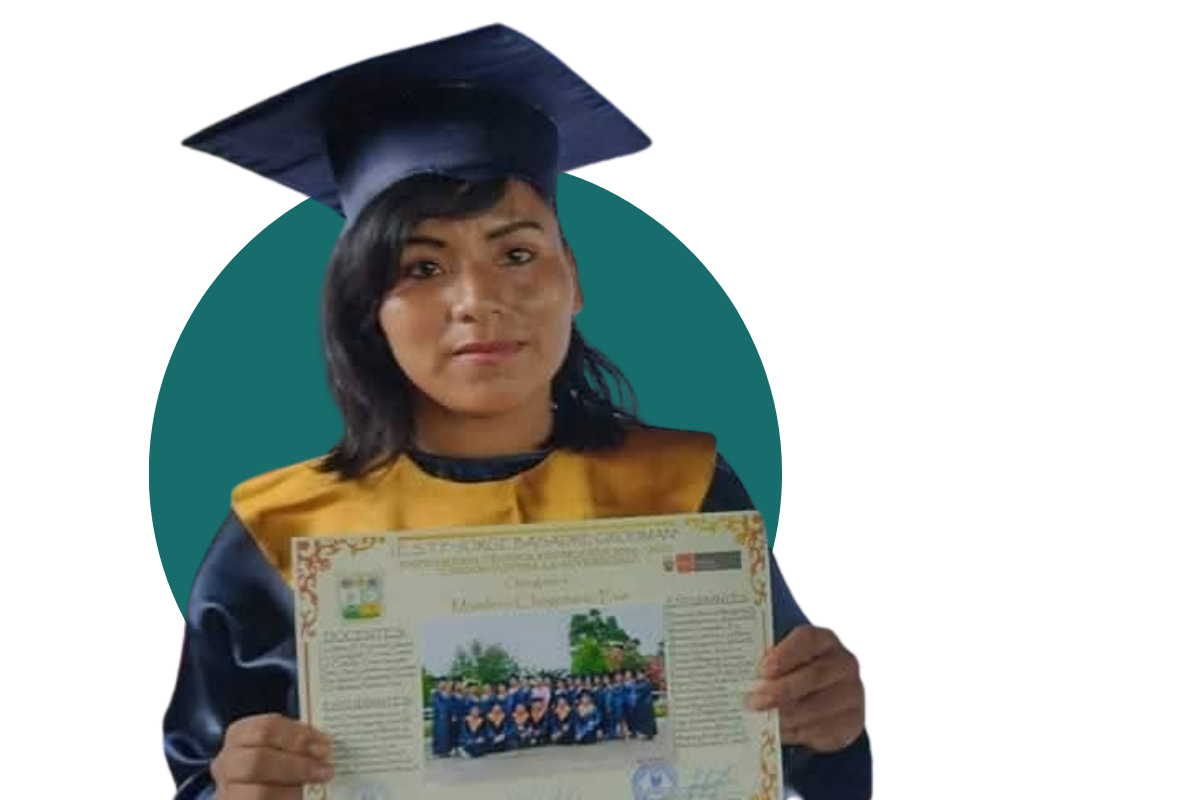
In our first episode, travel to the Peruvian Amazon to meet Eva Mambiro, an Indigenous nurse and young researcher from the community of Puerto Luz. Through her work, Eva is recovering traditional medicinal knowledge and rethinking child nutrition by reconnecting with the crops, practices, and wisdom of her ancestors.
Eva reminds us that science is not only found in laboratories – it also lives in forests, communities, and the lived knowledge passed down through generations. Her story is one of resilience, cultural pride, and the vital role Indigenous women play in shaping more inclusive futures.
🎙️Episode TWO | Esther Ngalula: When Ancestral Science Meets Modern Tools, Indigenous Women Lead Nature’s Future
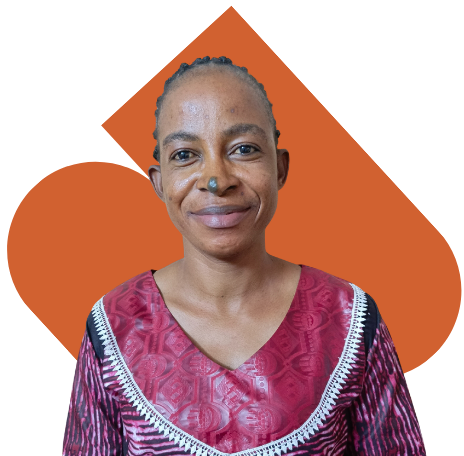
In our second episode, we travel to the Democratic Republic of Congo to hear from Esther Ngalula, an Indigenous Batwa woman and Gender Officer with ANAPAC-DRC, who is helping redefine conservation through the leadership of women. Esther shares how traditional knowledge—of medicinal plants, ecosystems, and sustainable land use—has guided her community for generations, and how tools like GPS and participatory mapping are now amplifying that knowledge rather than replacing it.
Through the Inclusive Conservation Initiative (ICI), Esther and Indigenous Batwa women are documenting biodiversity, mapping ancestral territories, and stepping into leadership roles that influence environmental governance. Her story reveals how blending ancestral science with modern tools is not only protecting ecosystems, but also transforming women’s participation, visibility, and power.
🎙️Episode THREE | Nittaya Earkanna: Education, Equality, and Cultural Survival
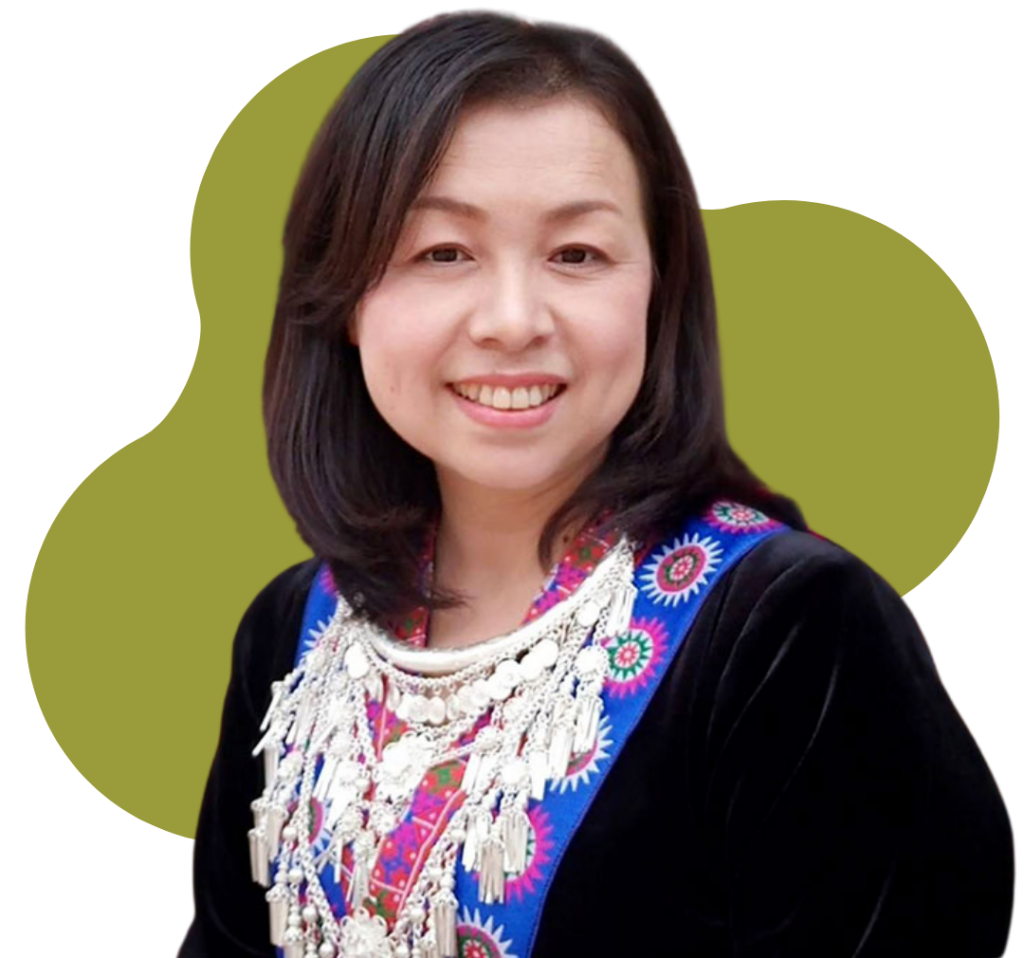
In this episode, meet Nittaya “Mee” Earkanna, a Hmong Indigenous women’s rights activist from Thailand, about how identity, language, and ancestral knowledge are foundational to science and leadership. Mee shares her journey advancing Indigenous education, biodiversity policy, and gender equity, and offers a powerful message to young women stepping into conservation and public leadership.
🎙️Episode FOUR | Nittaya Earkanna: Ancestral Knowledge Is Science
As the world marks International Women’s Day and leaders gather for the Commission on the Status of Women, we’re releasing Part II of our conversation with Indigenous leader Nittaya (Mee) as part of our podcast series Indigenous Women Redefining Science.
In this second installment of Episode Three, Nittaya, who goes by Mee, reflects on why intergenerational knowledge is essential for the future of communities and the planet. The conversation also explores the barriers Indigenous women face in accessing funding and leadership spaces, despite being central to conservation, food systems, and cultural knowledge.
Yet the episode ultimately points toward hope: a new generation of Indigenous women who are confidently carrying both scientific training and ancestral knowledge forward, reshaping how we understand science, leadership, and conservation.