Turning Traditional Knowledge into Resilience: Through My Fellowship
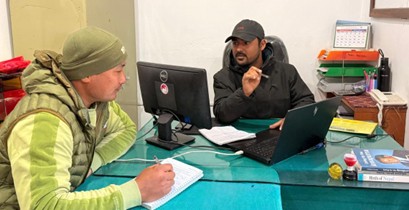
Written by Sanjog Thakali, Thakali from Nepal, 2nd cohort member of the ICI International Environmental Policy Fellowship Program
My name is Sanjog Thakali, and I belong to the Teen Gaule Thakali Indigenous community in Thini village, Mustang. Life at 2,900 meters is governed by our customary Mukhiya system, a traditional way of managing our land and water. Today, however, we are at a crossroads. A rapidly changing climate is drying our sacred springs and shifting our seasons. We must take immediate action before it is too late.
The Inclusive Conservation Initiative (ICI) Fellowship has taught me that true resilience starts with Indigenous leadership. It is essential for Indigenous leaders to take the helm because we feel the “pain” of our locality most acutely. We don’t just observe the environment; we understand its soul and history. Because we live these challenges every day, we are the ones who can cure the problems from the deep.
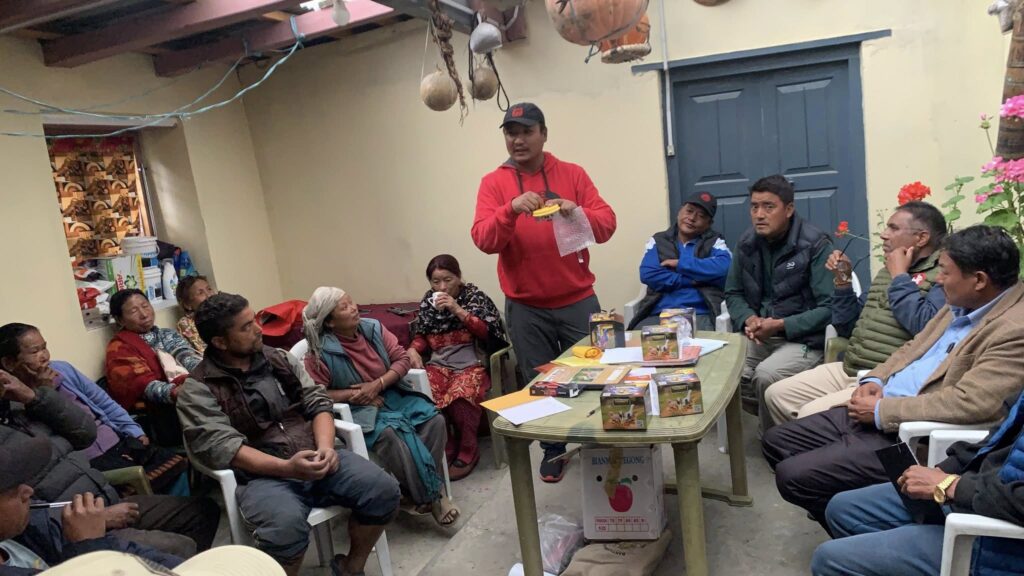
One of the most powerful parts of my Fellowship journey was bridging Traditional Ecological Knowledge (TEK) with contemporary science. I led a study integrating our elders’ oral histories with 20 years of scientific climate data. This research validated what our community already felt: temperatures are rising and precipitation is becoming more erratic.
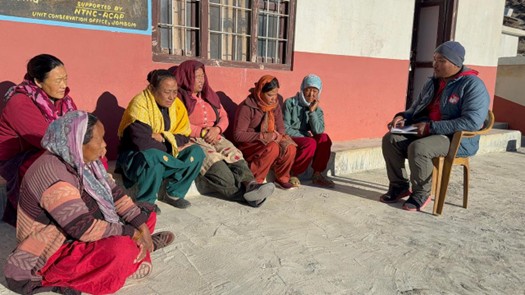
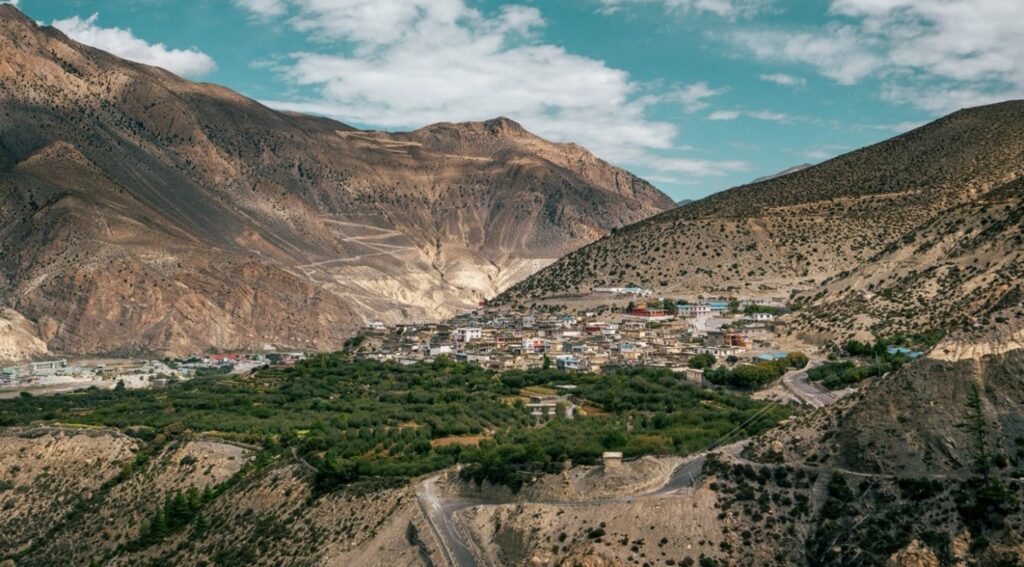
This case study is not just a document; it is a roadmap for survival. We have identified critical priorities, such as the conservation of the Lulu cow—our resilient indigenous cattle—and the establishment of seed banks to protect our traditional crops. However, these goals cannot be achieved in isolation. There is much work to do, and we must collaborate with related organizations and stakeholders to bring these visions to life.
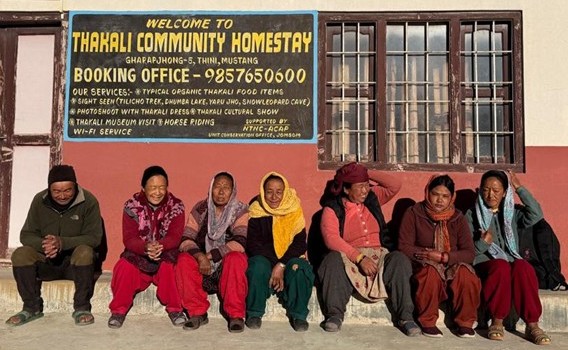
While we have identified the urgent need for conservation ponds to provide water for wildlife and reduce human-wildlife conflict, our next step is to collaborate with other projects or bring in new initiatives to begin construction. Furthermore, we see an incredible opportunity to develop eco-tourism. By showcasing our heritage and our stewardship of the land, we can create sustainable livelihoods for our youth. We are also advocating for the use of renewable energy to reduce the pressure on our fragile natural resources, such as firewood.
This journey has reshaped my view of leadership. As a young person, I’ve learned that the future of the Himalayas depends on those who have been its guardians for centuries. By combining our ancestral wisdom with external collaboration, we are transforming from climate victims into leaders with solutions. We must act now, rooted in our identity, to safeguard our home for generations to come. Thank you, ICI, for empowering us to lead.