How has long-term fellowship redefined my leadership?
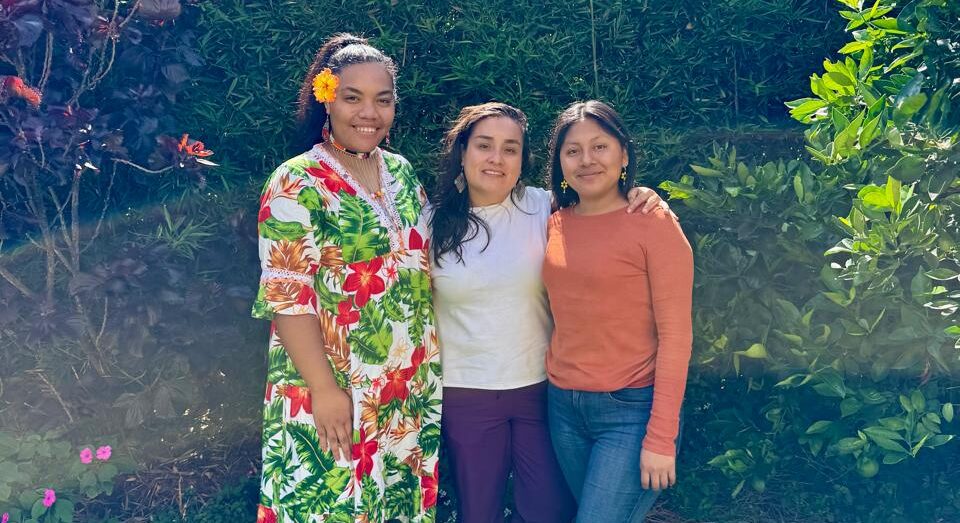
Written by Matauri Miria, Maori from Cook Islands, 2nd cohort member of the ICI International Environmental Policy Fellowship Program
My journey through this fellowship has taught me so many interesting and amazing things, and the most profound shift wasn’t a single workshop or deliverable, it was time. Because this support was long-term, I was able to move from a grace period of community work and dive right into the reality of a sustainable environment. At the beginning of this fellowship, I thought being a leader meant having all the answers. But through my work with (Taro) our traditional staple food, I learned that leadership is a lot like farming. The long term nature of this fellowship with Inclusive Conservation Initiative (ICI) allowed me to build strong relationships and trust within my community. Instead of rushing to implement a case study, I waited and listened to the people – the elders, the knowledge holders, the locals and the youth, which led to a significant shift as my community moved from being influenced by Western lifestyle to traditional ways of planting, caring for the land and so forth. With the long term support from ICI, I had managed to make time to go back into the Taro fields and talk to elders who have been growing Taro for decades . We didn’t just look at ways to grow more food, but also how to keep our traditional ways alive.
As the saying goes – when you invest in a leader for the long haul, you aren’t just funding a project, you are cultivating an ecosystem of resilience. A crucial part of this growth was when I became a fellow for this new and exciting opportunity to join the ICI representing my homeland – Cook Islands. I realized that territorial change is only possible when the people who inhabit or own the land are the primary custodian of its protection. I see this Inclusive approach as nothing other than a holding space for diverse voices and like-minded peers ensuring that traditional knowledge and modern science sit at the same table to voice their opinions and be heard.
Through the Inclusive Conservation Initiative, I learned that protecting our land and food isn’t a job for scientists, it is a community duty. By including both young and old – elders and youth, our aim was to make sure that our “conservation” wasn’t just about saving the environment – it was about saving our culture and way of life.
With the help of my local community, traditional leaders and stakeholders at the national level, we were able to tackle some challenges we’ve faced during that time such as bad seasons, overgrown wild plants or unknown pests. We’ve managed to figure out a solution as a community. It wasn’t just “doing a project” but we were changing how we live.
And as for such to happen, we must teach our children young so they can continue to nurture the future generation while implementing our traditional values and way of living.